


Your oral health drives every decision we make, and sometimes removing a tooth is the most responsible step to protect the rest of your smile. At Jepsen Murphy and Associates, we approach extractions with the same level of thoughtfulness and attention to detail that defines all our care. Our team prioritizes comfort, clear explanations, and conservative treatment whenever it’s possible to preserve a tooth.
Extracting a tooth is rarely the first option; it is recommended when other treatments cannot reliably restore function or health. Removing a problematic tooth can prevent infection from spreading, stop ongoing pain, and create room for corrective treatment when a tooth’s position interferes with proper bite or orthodontic plans. We always discuss alternatives and long-term implications before recommending extraction.
Every extraction is tailored to the patient—age, overall health, and the condition of the tooth all influence how we proceed. Our goal is to guide you through the process with straightforward information, compassionate support, and a clear post-operative plan that helps you heal quickly and comfortably.
Primary (baby) teeth that won’t make way
Sometimes a primary tooth remains attached after the permanent tooth is ready to erupt. When roots fail to resorb or a tooth becomes fused to the bone, it can block normal development. In these cases, extracting an over-retained baby tooth can help the permanent tooth come in properly and reduce the need for more extensive orthodontic work later on.
Extensive decay beyond repair
Decay begins in enamel but can progress deep into the tooth if untreated, compromising structure and the nerve. When a tooth has lost too much sound structure or persistent infection threatens surrounding tissues, extraction may be the safest option to protect your overall oral health.
Severe fractures or irreparable breaks
Teeth can fracture in many ways. If the break extends below the gumline, involves the root, or leaves too little sound tooth to anchor a restoration, removal may be necessary to resolve pain and prevent recurring problems.
Advanced periodontal disease
When gum disease has destroyed the supporting bone and soft tissues, teeth can become mobile or nonfunctional. In advanced cases where support cannot be restored, extraction helps remove a source of infection and allows us to focus on stabilizing surrounding teeth and tissues.
Problematic wisdom teeth
Third molars are often obstructed, erupt at awkward angles, or develop recurrent decay because of their location. When wisdom teeth threaten neighboring teeth, cause pain, or are unlikely to erupt normally, removal is frequently advised—sometimes as a preventive measure in younger adults to avoid later complications.
Teeth removed to create space
For some orthodontic cases or bite corrections, removing certain permanent teeth creates the room needed to align the bite effectively. Extraction in this context is part of a coordinated treatment plan designed to achieve the healthiest, most stable long-term result.

Before any extraction, we perform a thorough evaluation that includes a review of your medical and dental history and targeted imaging when appropriate. Understanding your health background and any medications you take lets us plan care that minimizes risk and supports smooth healing. We’ll explain the rationale for extraction and answer your questions so you feel confident about the plan.
Local anesthesia is used to numb the area thoroughly, and additional comfort options—such as oral or nitrous sedation—are available for patients who prefer them. Our clinicians take deliberate, gentle steps to limit trauma to surrounding tissues and to ensure you remain comfortable throughout the procedure.
Depending on the tooth’s condition, we classify extractions as straightforward removals or as surgical procedures that require more complex techniques. Imaging helps us evaluate root shape, bone structure, and proximity to vital anatomy so we can choose a safe, effective approach for each case.
A tooth that is fully visible and has uncomplicated root anatomy can often be removed in a single, efficient visit. After the area is numbed, the tooth is gently loosened and removed using specialized instruments. Our team’s priority is to perform the procedure with minimal discomfort and to provide clear aftercare instructions to support recovery.
Teeth that are broken below the gumline, impacted, or fused to bone may require a surgical extraction. This involves a small incision, possible removal of a bit of bone, and careful sectioning of the tooth if necessary. In these cases, we may coordinate care with an oral surgeon to ensure the most predictable outcome. Sedation options and detailed pre- and post-operative guidance are provided to support a safe, controlled experience.
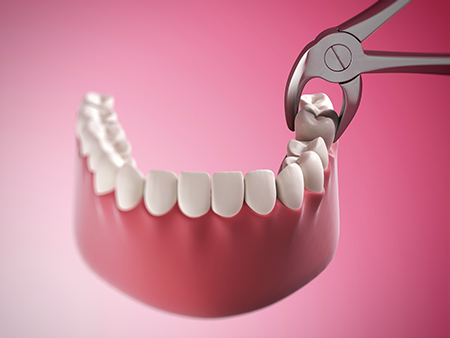
Healing after an extraction is a process, and the first 48–72 hours are especially important. We give each patient tailored instructions based on the complexity of the procedure, your overall health, and whether stitches were placed. Following those directions closely helps reduce discomfort and supports predictable tissue healing.
Most uncomplicated extractions follow a familiar pattern: mild swelling and soreness peak within the first two days and then steadily improve. Proper wound care, rest, and the judicious use of prescribed or recommended medications make a big difference in how quickly you return to normal activities.
If your extraction was part of a broader treatment plan—such as replacing a missing tooth later with an implant or bridge—we’ll discuss timing and options so you understand next steps and how to preserve the extraction site for future restoration.
Apply and maintain gauze pressure
You will be given gauze to bite on immediately after the extraction to help a stable blood clot form. Keep firm pressure as directed and replace the gauze when instructed. If bleeding persists beyond the expected time or is heavy, contact our office.
Protect numb tissues
While the local anesthetic is active, avoid chewing, touching, or using your lips and tongue in the treated area to prevent accidental injury.
Take medications as directed
Antibiotics: If prescribed, take the full course exactly as written to limit infection risk.
Pain control: Start pain management as recommended; an over‑the‑counter option may be sufficient for many people. Follow directions carefully for any prescription medicines.
Avoid disturbing the clot
Rinse gently only when advised, and avoid spitting, using a straw, or other suction actions that could dislodge the clot during the early healing phase.
Manage swelling
Cold compresses applied to the face in short intervals can reduce swelling the first day. After 48 hours, warmth may help if bruising or persistent soreness develops.
Refrain from tobacco
Smoking impairs healing and increases the risk of complications. It’s best to avoid tobacco products while the site is recovering.
Follow a soft diet initially
Stick with cooler, softer foods and adequate hydration as your comfort allows. Avoid crunchy, spicy, or very hot foods until healing is more advanced.
Keep the area clean
Gentle brushing away from the extraction site and periodic light rinses with a saltwater solution, once approved, will help maintain oral hygiene without disturbing healing tissues.
Attend follow-up care
If stitches are placed or additional monitoring is needed, we will schedule a return visit to evaluate healing and remove sutures if required. Keeping this appointment helps ensure the best possible outcome.
Should you notice unexpected symptoms—such as prolonged heavy bleeding, increasing pain, fever, or a persistent bad taste—contact our team promptly so we can assess your healing and intervene if necessary.
When an extraction is indicated, many patients want both clinical expertise and a caring approach. Jepsen Murphy and Associates combines up‑to‑date clinical protocols, thoughtful pain management, and clear communication to make the experience as smooth as possible. We coordinate with specialists when advanced surgical techniques are required and keep every patient informed about options for replacing a missing tooth when appropriate.
Our practice uses modern imaging and sterile techniques to minimize risk and support predictable outcomes. Equally important, we focus on patient comfort—offering sedation choices, tailored instructions, and attentive follow-up so that recovery is straightforward and complications are minimized.
If you’re facing a tooth extraction, we’ll explain why it’s recommended, what to expect during the visit, and how to care for the site afterward. We aim to preserve your long-term oral health while restoring comfort and function with the least possible disruption.
To learn more about extraction procedures or to discuss your situation, please contact us for additional information. Our team is ready to answer your questions and help you make an informed decision about your care.
A tooth extraction is the removal of a tooth from its socket in the jaw and is recommended when a tooth cannot be safely restored or poses a risk to surrounding tissues. Common reasons include extensive decay, severe fractures, advanced periodontal disease, or a tooth that blocks normal development. Your dentist will review alternatives and only recommend extraction when it best protects your overall oral health.
At Jepsen Murphy and Associates we emphasize conservative care and clear explanations so patients understand why removal is advised and what the expected outcome will be. We evaluate each case individually, considering age, medical history, and the condition of the tooth before making a recommendation. When extraction is the best option, we provide a tailored plan that includes pain control and follow-up care to support predictable healing.
The classification of an extraction as simple or surgical depends on how much of the tooth is visible and the complexity of the roots and surrounding bone. A simple extraction is used when the tooth is fully erupted with straightforward root anatomy, while surgical extraction is required for impacted teeth, broken roots, or when an incision and limited bone removal are necessary. Imaging and a careful clinical exam guide the decision so the clinician can choose the safest approach.
Surgical cases may involve sectioning the tooth, removing a small amount of bone, or coordinating care with an oral surgeon for complex anatomy. We discuss the steps involved and available comfort measures before the procedure so patients know what to expect. Proper planning reduces the risk of complications and helps streamline recovery.
Provide a complete medical and dental history, including current medications, allergies, recent surgeries, and any cardiovascular or bleeding conditions, since these factors affect anesthesia and healing. Be sure to mention pregnancy, use of blood thinners, or a history of radiation or chemotherapy, as these require special precautions. Honest disclosure helps the team tailor the procedure and coordinate with your physician if necessary.
If you use tobacco or have a history of complicated wound healing, tell your provider so we can discuss risk-reduction strategies. Also share any previous adverse reactions to local anesthetics or sedation so safer alternatives can be chosen. Clear communication supports a safer experience and a smoother recovery.
Local anesthesia is used in virtually all extractions to numb the treatment area, and many practices also offer nitrous oxide or oral sedation to help patients feel relaxed during the procedure. Sedation choices depend on your anxiety level, medical history, and the complexity of the extraction, and the team will explain the options so you can select what best meets your needs. Pain control after the procedure may include over-the-counter medications or prescribed analgesics depending on the anticipated discomfort.
We prioritize a multimodal approach to comfort, combining careful surgical technique with appropriate medications and post-operative instructions to limit pain and swelling. Follow prescribed dosing and the recommended schedule for pain relief to minimize breakthrough pain. If you have concerns about medication interactions or side effects, discuss them with your provider before the appointment.
The first 48 to 72 hours after an extraction are the most active phase of healing and are when swelling and soreness typically peak, then gradually improve. You can expect mild to moderate discomfort, controlled bleeding that diminishes over time, and localized swelling that responds well to short intervals of cold application. Rest, limited physical exertion, and following wound care instructions are important in these early days.
Eat soft, cool foods and avoid hot, crunchy, or spicy items until the site begins to heal to reduce irritation and accidental disturbance of the clot. Maintain gentle oral hygiene while avoiding direct brushing at the extraction site until advised otherwise. Keep follow-up appointments so the clinician can confirm proper healing and address any concerns promptly.
Protecting the blood clot that forms in the socket is the most important step to prevent dry socket, a painful complication that can delay healing. Avoid actions that create suction, such as using a straw, vigorous rinsing, spitting, or smoking, because these behaviors can dislodge the clot and expose bone. Follow your provider’s instructions for gauze pressure, gentle rinsing when advised, and activity restrictions to support stable clot formation.
If you experience increasing pain after the initial 48–72 hours, a persistent bad taste, or visible bone in the socket, contact the office so the team can evaluate you promptly. Early assessment and treatment can relieve symptoms and promote recovery. Keeping scheduled follow-up visits helps identify and manage complications before they worsen.
Wisdom teeth are often removed when they are impacted, cause pain or infection, damage adjacent teeth, or pose a risk to long-term oral health due to unlikely normal eruption. Removal may be recommended as a preventive measure in younger adults when the teeth are positioned poorly and expected to cause future problems. Each case is individualized with imaging to determine the likely course and the best timing for extraction.
Early evaluation allows the dentist to weigh the benefits and risks of removal and to coordinate care if surgical extraction is anticipated. Planning a timely extraction can simplify healing and reduce the chance of complications that increase with age. If surgery is advised, the team will explain the procedure, anesthesia options, and post-operative instructions so patients can prepare appropriately.
Not every extracted tooth must be immediately replaced, but replacing permanent teeth is often recommended to restore function, prevent shifting of adjacent teeth, and preserve jawbone structure. Replacement options include dental implants, bridges, and partial dentures, and the right choice depends on your oral health, anatomy, and long-term goals. Your provider will discuss the benefits of each option and how they fit into your overall treatment plan.
Timing for replacement varies: some implant protocols require a healing period to allow the socket and bone to recover, while other solutions may be placed sooner. Preserving bone and planning for future restoration are part of the initial discussion so you understand next steps after extraction. Your dental team can coordinate staged care to achieve the most durable and esthetic result.
Yes, primary (baby) teeth sometimes require extraction, especially if an over‑retained tooth is preventing eruption of the permanent successor, or if the primary tooth is severely decayed or infected. Removing a problematic baby tooth can allow the permanent tooth to erupt properly and may reduce the need for more extensive orthodontic work later on. Timing and technique are chosen to support normal development and minimize disruption.
In certain cases we use space maintainers or coordinate with an orthodontist to preserve proper spacing and guide eruption after extraction. The team will explain how the procedure affects growth and what follow-up is necessary to monitor permanent tooth development. Early intervention helps promote optimal long-term function and alignment.
Contact the office promptly if you experience heavy bleeding that soaks through gauze after several hours, fever, uncontrolled or worsening pain despite medications, or spreading facial swelling that affects breathing or swallowing. Also report sudden numbness that does not improve, a persistent foul taste or odor, or visible bone in the socket, as these symptoms can indicate complications that need immediate attention. Timely communication allows the team to assess and intervene before problems escalate.
If you are uncertain whether a symptom is urgent, calling for guidance is the best course; the staff can help you determine whether you should come in for an examination or receive instructions to manage the issue at home. Our Westminster practice aims to respond quickly to post-operative concerns and provide appropriate follow-up care. Early evaluation often leads to simpler solutions and faster recovery.
Quick Links
