


When decay or minor damage weakens a tooth, composite restorations let us rebuild strength and shape while keeping the look of your natural smile. These resin-based materials are designed to match tooth color closely and to be shaped precisely so the repaired area blends with surrounding enamel. The result is a durable repair that supports chewing function and cosmetic harmony without the obvious appearance of a traditional metal filling.
Composite materials bond directly to both enamel and dentin, which allows the dentist to remove only the compromised portion of the tooth and preserve healthy tissue. That conservative approach reduces the size of the restoration and helps maintain the long-term integrity of the tooth. Because the restoration becomes part of the tooth structure, it can help restore resistance to fracture and improve overall function.
At the office of Jepsen Murphy and Associates, we prioritize treatments that balance durability and aesthetics. Our team evaluates each situation carefully to determine whether a composite filling is the best restorative option for maintaining oral health while keeping the smile natural and comfortable.
Tooth-colored fillings are popular because they address both appearance and performance. Unlike traditional amalgam, composites are free of metals and can be shade-matched to surrounding teeth, making them an unobtrusive option for visible areas. Beyond looks, contemporary composite formulations have improved wear resistance and can withstand normal chewing forces when placed correctly.
Another advantage of composite restorations is their adhesive nature. By bonding to the tooth, they create a seal that helps limit microleakage—one of the common contributors to recurrent decay around restorations. This sealed interface also helps patients maintain a comfortable bite and reduces the likelihood of temperature sensitivity when compared to older restoration types in some cases.
Choosing the right material involves considering the location of the cavity, the size of the defect, and the patient’s oral habits. Our clinicians explain the clinical reasoning behind recommendations so patients understand how the chosen restoration supports both function and appearance over time.

Placement of a composite filling is typically a straightforward, single-visit procedure. After a careful examination and any necessary local anesthesia to keep you comfortable, the decayed or weakened tooth structure is removed with precision instruments. The goal is to create a clean, stable surface for the bonding process while conserving as much healthy enamel and dentin as possible.
Once the area is prepared, the clinician places a bonding agent and applies the composite resin in small layers. Each layer is sculpted to match the natural contours of the tooth and cured with a specialized light to harden the material. Layering allows for a stronger, more lifelike restoration and gives the dentist control over shape, contact with adjacent teeth, and bite alignment.
Final shaping and polishing refine the appearance and smooth the surface to minimize plaque accumulation and enhance comfort. Throughout the appointment, our team checks your bite and makes adjustments so the filling feels natural. We also discuss home care steps to preserve the restoration and prevent future issues.
It's common to notice mild sensitivity after a new composite filling—especially to temperature changes or pressure—for a few days. This typically resolves as the tooth settles. In the rare event of lingering sensitivity, discomfort when biting, or a rough feeling at the repair site, we recommend a prompt follow-up so we can assess and, if necessary, make small adjustments to the filling.
Good oral hygiene is the foundation of long-lasting restorations. Regular brushing with fluoride toothpaste, daily flossing, and routine dental checkups help prevent new decay at the margins of a filling and maintain overall oral health. Your hygienist and dentist will also monitor restorations during routine visits and advise when a restoration should be monitored, repaired, or replaced.
Patients who grind or clench their teeth may place additional stress on restorations. If you notice unusual wear, changes in bite, or recurrent problems, discussing protective options—such as a nightguard—can help extend the life of your fillings and protect surrounding teeth from wear and fracture.
While composite fillings are excellent for many cavities and small to moderate damage, larger defects or fractures sometimes require a more robust restoration. In cases where a tooth has extensive structural loss or involves the biting surface in a way that jeopardizes longevity, we may recommend an inlay, onlay, or crown to restore full function and protect the remaining tooth.
Root canal therapy may be necessary if decay extends into the tooth’s nerve chamber; after endodontic treatment, a protective restoration often provides long-term stability. Our team evaluates each tooth holistically, balancing preservation of natural structure with the need for a restoration that will withstand everyday function and support oral health for years to come.
For patients in Westminster and the surrounding area, these decisions are made collaboratively. We explain the clinical factors, outline the procedural steps, and answer questions so you can make an informed choice that aligns with your oral-health goals and lifestyle.
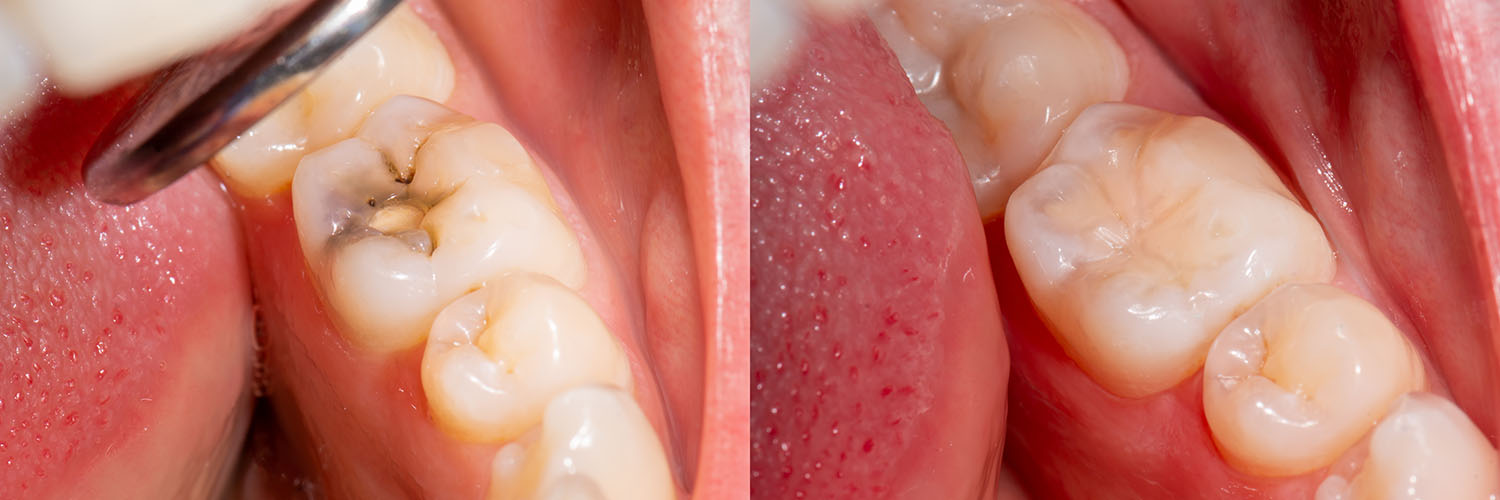
Our approach is centered on restoring teeth in a way that looks natural, functions reliably, and supports long-term oral health.
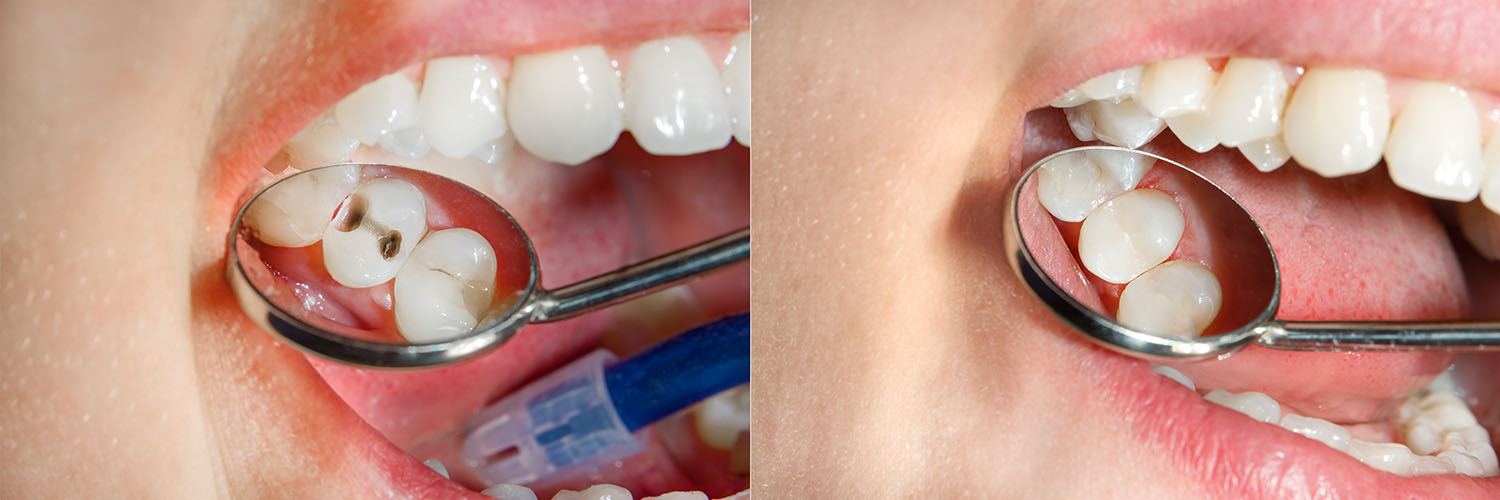
In summary, modern composite fillings offer a conservative, tooth-colored solution for repairing decay and small fractures while preserving natural structure and appearance. If you’d like to learn more about whether a composite restoration is right for your situation, please contact us for additional information or to schedule a consultation with our team at Jepsen Murphy and Associates.
Composite fillings are resin-based restorations that are matched to the color of your natural teeth and shaped to restore form and function. They bond directly to enamel and dentin, which allows the clinician to remove only the compromised portion of the tooth while preserving healthy structure. Because the material is applied in layers and cured with a specialized light, the restoration integrates with the remaining tooth and helps restore resistance to fracture.
These restorations are used for small to moderate cavities and for repairing minor chips or defects where strength and appearance both matter. The adhesive seal created by the bonding process helps limit microleakage and reduces the risk of recurrent decay at the margin. Proper placement, shaping, and polishing also help the filling blend with adjacent teeth and maintain comfortable bite alignment.
Tooth-colored composites are chosen for their aesthetic advantage since they can be shade-matched and are virtually invisible in the smile. Beyond appearance, modern composite materials have improved wear resistance and can withstand normal chewing forces when placed correctly in appropriate locations. The adhesive nature of composites also helps preserve more natural tooth structure compared with some traditional restorations.
Composites avoid the use of metals, which makes them a preferred option for visible areas or for patients who want a metal-free restoration. The bonding process can reduce sensitivity in some cases by sealing tubules that would otherwise be exposed. Your clinician will consider cavity size, location, and oral habits when recommending the best material for long-term performance.
Placement of a composite filling is typically completed in a single visit after a careful exam and appropriate local anesthesia to ensure comfort. The dentist removes decay and prepares a clean, stable surface, then applies a bonding agent followed by the composite resin in small layers, sculpting each layer to match the toothʼs contours. Each increment is cured with a special light to harden the material and build a durable restoration.
After layering and curing, the dentist performs final shaping and polishing to refine contacts, contours, and the occlusion so the filling feels natural. The finished surface is smoothed to help minimize plaque buildup and improve longevity. Before you leave, the team will check your bite and provide guidance on normal post-operative sensations and care.
Mild sensitivity to temperature changes or pressure is common for a few days following placement as the tooth adjusts to the restoration. This sensitivity usually diminishes as the nerve settles and the bonded interface stabilizes, and it rarely indicates a problem when it resolves within a short period. If sensitivity persists beyond a few weeks, is severe, or is accompanied by discomfort when biting, a follow-up appointment is recommended to evaluate the restoration.
During the appointment, clinicians can check for high spots, inadequate bonding, or other issues that may cause ongoing discomfort and make small adjustments if necessary. In rare cases, prolonged sensitivity may indicate that the decay was close to the nerve and further treatment could be needed. Your dental team will explain signs to watch for and the appropriate next steps if symptoms do not improve.
Good oral hygiene is the foundation for long-lasting restorations; brush twice daily with fluoride toothpaste and floss daily to remove plaque at the margins of fillings. Routine dental checkups and professional cleanings allow the clinician to monitor restorations for wear, microleakage, or recurrent decay so problems can be addressed early. Avoiding hard or sticky foods for a short time immediately after placement helps protect the new filling while it fully stabilizes.
Patients who grind or clench their teeth should discuss protective options such as a nightguard to reduce excessive stress on restorations. Maintaining a balanced diet and minimizing acidic or highly sugary exposures also helps preserve both natural enamel and restorative margins. If you notice roughness, a change in bite, or recurrent sensitivity, contact your dental team for an evaluation.
The lifespan of a composite filling varies depending on size, location, patient habits, and the forces placed on the restoration; many last for several years with proper care. Smaller restorations on non-biting surfaces generally perform better and can endure longer than large restorations on molars that experience heavy chewing forces. Oral habits such as bruxism, chewing ice, or using teeth as tools can accelerate wear and reduce the service life of any filling.
Regular dental examinations allow the team to identify early signs of wear, marginal breakdown, or recurrent decay so timely repairs or replacements can be made. Advances in composite formulations and proper placement techniques have improved durability, but no restoration is permanent. Proactive prevention and monitoring are the best strategies for maximizing longevity.
Fillings are ideal for small to moderate defects, but larger areas of structural loss may require an inlay, onlay, or crown to restore full function and protect the remaining tooth. If a cavity or fracture undermines the toothʼs ability to resist chewing forces, a more robust restoration can distribute loads and reduce the risk of further breakage. When decay extends close to or into the nerve chamber, root canal therapy may be necessary before placing a protective restoration.
Decisions about the appropriate restoration are based on the amount of remaining healthy tooth structure, the toothʼs position and function, and the long-term prognosis for success. Your dentist will explain the clinical reasoning, outline procedural steps, and discuss how each option supports oral health and function. Collaborative planning ensures that the chosen approach meets your needs and preserves the tooth when possible.
Composite fillings are widely used and considered safe for most patients, including children, because they conserve tooth structure and restore function without metals. Dental care during pregnancy is generally safe and important for maintaining oral health; routine restorative procedures using local anesthesia and contemporary materials are commonly performed when needed. Clinicians take special precautions and tailor treatment timing during pregnancy based on the patientʼs overall health and stage of pregnancy.
If you have particular medical concerns or sensitivities, discuss them with your dental team so they can select appropriate materials and techniques. The dentist will review medical history, current medications, and any prenatal considerations to ensure safe, effective care. Clear communication helps ensure that restorative treatment proceeds safely and comfortably for both children and expectant patients.
Prompt evaluation is recommended if you experience new or lingering sensitivity, sharp pain when biting, visible cracks or rough edges, or a feeling that a filling is loose or broken. Changes in color at the edge of a filling, persistent bad taste, or recurrent discomfort around a restored tooth can also indicate marginal breakdown or recurrent decay. Early attention helps prevent small issues from progressing to more extensive treatment such as root canal therapy or extraction.
During a clinical exam and appropriate imaging, the dental team can determine whether repair, replacement, or an alternative restoration is necessary. Regular checkups are important for catching problems before they become urgent. If you notice any concerning symptoms between visits, schedule an evaluation to protect the tooth and surrounding tissues.
The decision is based on a comprehensive assessment of the tooth, including the extent of decay or damage, remaining tooth structure, the toothʼs role in chewing, and any underlying issues such as cracks or previous restorations. The clinician uses clinical examination and diagnostic imaging to evaluate the prognosis for a filling versus a more protective restoration like an inlay, onlay, or crown. Patient factors such as oral hygiene, bite habits, and esthetic goals are also considered in planning care.
At Jepsen Murphy and Associates we discuss the findings and explain the clinical reasoning so patients can make informed choices that align with their oral-health priorities. The goal is to preserve natural structure when possible while recommending restorations that deliver long-term function and comfort. Follow-up planning and monitoring ensure the chosen restoration continues to meet expectations over time.
Quick Links
